

June - Time for your pilgrimage
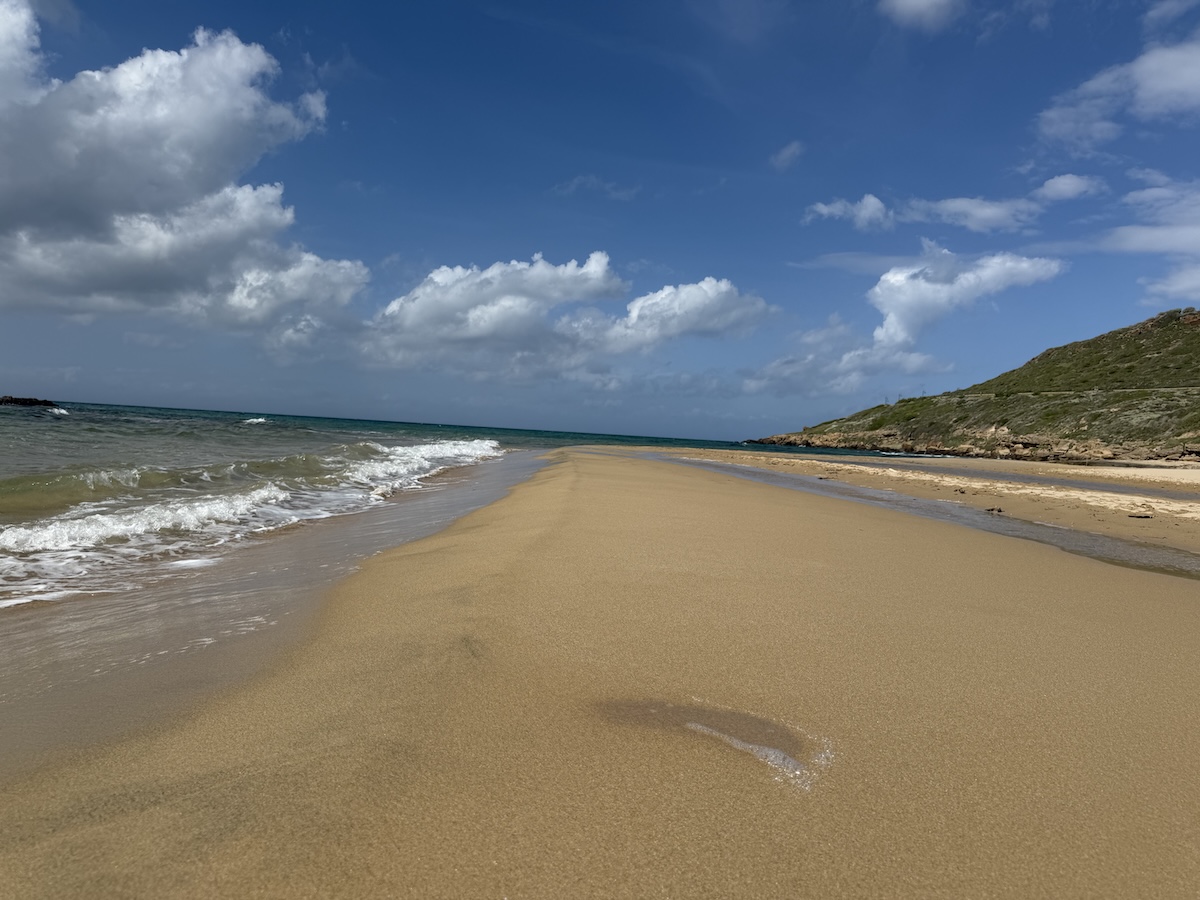
Pilgrimages have existed for many hundreds of years. Originally, this was a pilgrimage that had a religious character. Traveling to a holy place.
To honor saints, to get closer to God and to ask for forgiveness for sins committed.
Nowadays, many leaders make a pilgrimage, also for non-religious reasons. I myself do this once a year. I completed my pilgrimage from Lisbon to Fatima in April 2025.
In a world that is addicted to speed, noise and productivity, standing still is almost a sign of rebellion. But if you want to lead, yourself and others or complete a mission, then taking a step aside is not a luxury but a necessity.
A pilgrimage is not just about walking. It is about “getting rid” of yourself. Getting rid of stress, ego and busyness. With every step you reject what is superficial, you zoom out and realize what is really important. Time to feel, experience intensely, let go and grow. If you want to become a better leader and live more consciously, return to yourself.
Feel your senses
Walking is one of the slowest ways to move. It is ideal to give your senses freedom and use them fully and consciously. Feel the wind on your body, smell the scents of nature, see the colours of the sky and the landscape, hear the birds singing and your own footprints in the sand. Taste the blackberries, blueberries or a sandwich that you bring with you and taste consciously.
You are then completely in the now and forget yesterday and tomorrow. It feels like meditating without you even realising it.
This feeling is a necessary condition to switch off from the normal hustle and bustle and come to yourself. If you walk for a few hours, this “flow” often occurs automatically.
Being outside, the fresh air, consciously breathing in oxygen is literally and figuratively of vital importance. The silence and freedom you experience have a healing effect on your mind. You escape the yoke of routine.
Remember that your senses are an important source for developing leadership.
Leadership starts with self-knowledge: you gain self-knowledge by “listening” to your senses; use them to observe and inspire your environment. Listen actively. Recognize and accept your self-worth.
Just like with the pilgrimage, actively using your senses is a matter of a long breath and taking the time and space for this. Be gentle when not everything goes the way you want it to right away. Have the confidence that you learn with every step you take, step by step
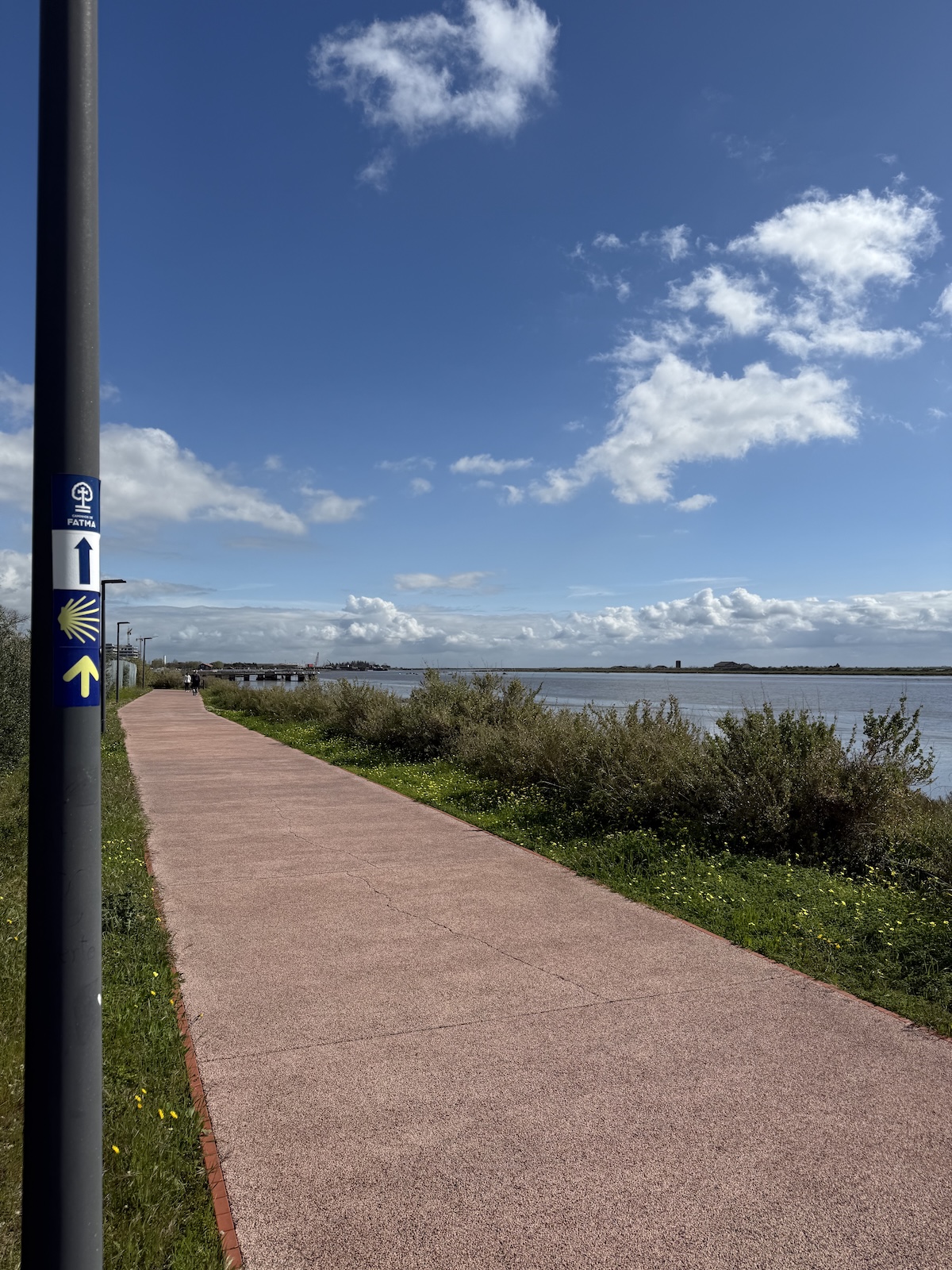
Suffering
Inevitably, discomforts come your way. An 8 kg backpack that feels much heavier after 20 kilometers. The feet that swell and hurt. The whole body is challenged and shows fatigue after a while. At that moment, however, you are not yet at your final destination for the day. The weather can also be an extra hurdle with headwind, a heavy rain shower or an exuberant sun. The route is hilly and there seems to be no end to that last climb. All this happens to every pilgrim and makes his journey so valuable. Because at the end of the day you have completed the walk.
A feeling of joy, pride and tiredness takes hold of you. You have achieved your goal for today. The evening meal with a delicious glass of wine tastes heavenly and going to bed on time is a pleasure.
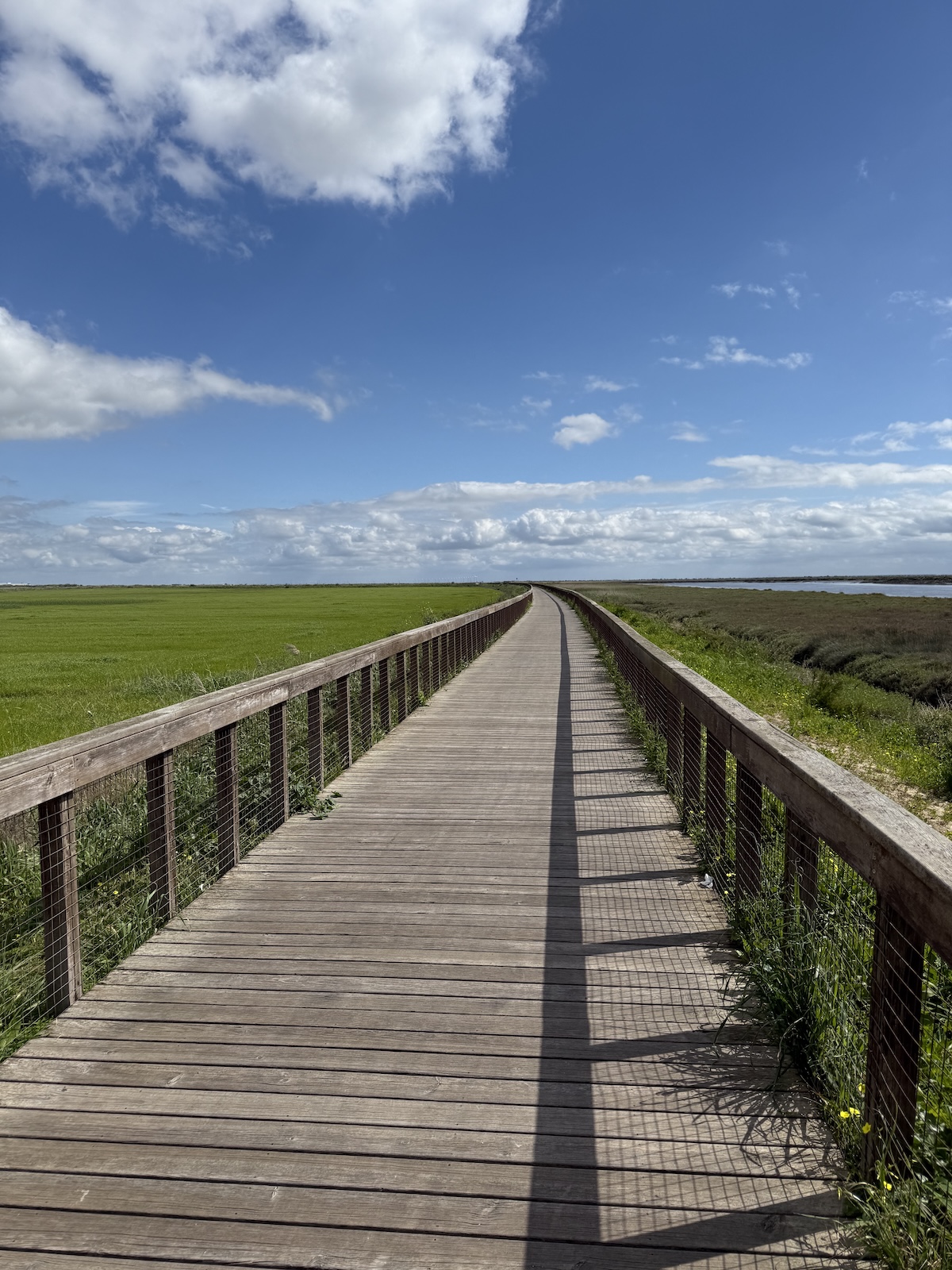
Letting go
After a few days you get used to this way of life. In fact, you only have to do a few things: walk, eat and drink and rest. The fatigue of the first few days decreases after a few days. This is because you train your body and make it stronger by walking every day. That gives a good feeling. In addition, something happens mentally.
You learn that letting go of control costs you less energy. You have no influence on the weather, you cannot change the number of meters in altitude of the day. And sometimes there are days where there is no decent resting place or snack to be found. Persevering in the face of adversity requires a fine nuance of stubbornly continuing and adapting. Be flexible and do not hold on to stubbornness and insisting on what you want; the walk determines the path and not the walker.
As a manager, you also regularly find yourself in a situation where a fine nuance between stubbornly continuing and adapting yourself is required. Take the time to think about what the goal is that you want to achieve. Realize that there is sometimes a big difference between a plan and reality. Sticking to a well thought out plan is commendable, realizing that you have to adjust your journey along the way takes courage.
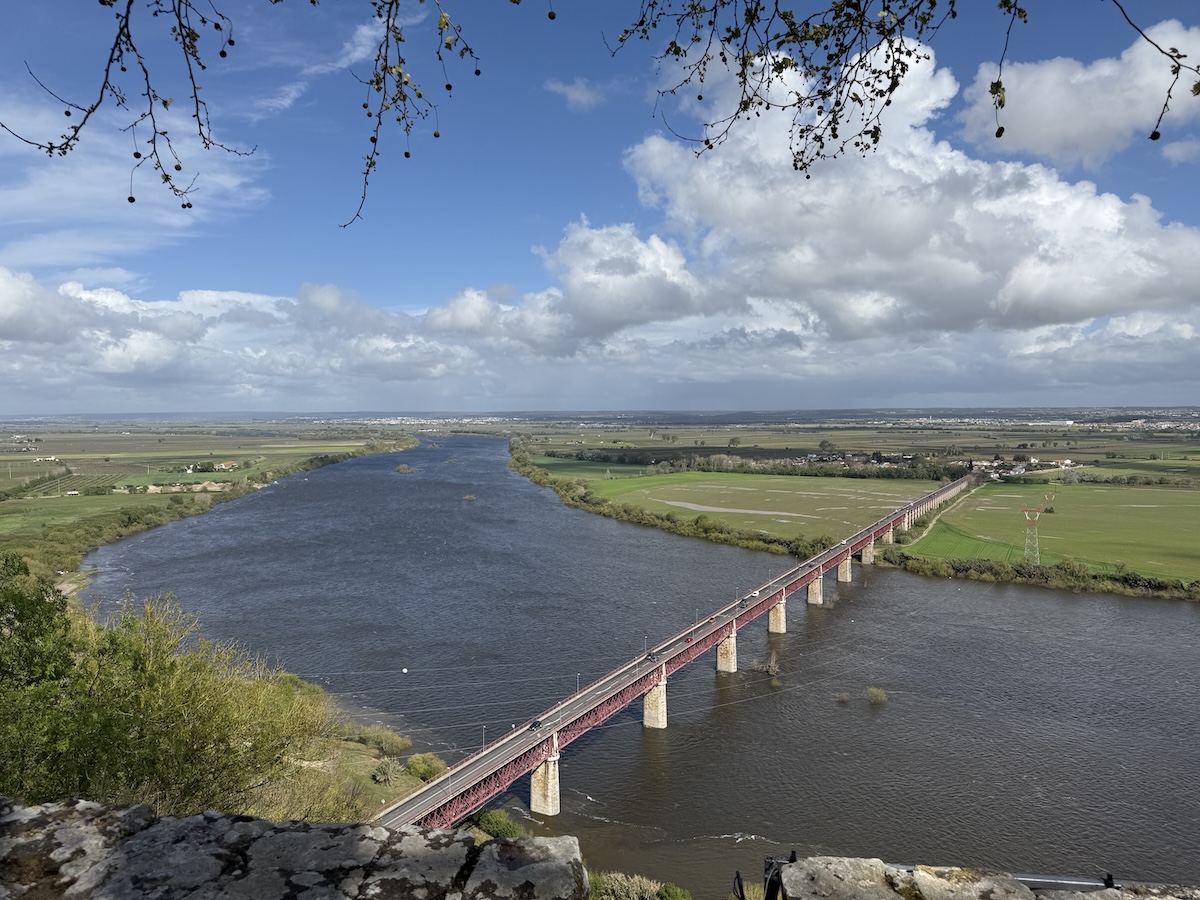
Gratitude
As the end of the pilgrimage approaches, you slowly feel a feeling coming up that grows stronger with every kilometer you get closer to the end point. Conscious feelings of satisfaction, relief and joy.
The feeling that makes the most impression on me, however, is gratitude. With every pilgrimage. It is a feeling that cannot be suppressed. In my head, thoughts come up about the preparations, the first steps, the setbacks, the unexpected encounters. Humility and realizing that everything comes together. An intense connection with yourself. Something that is bigger than yourself.
You also experience this regularly in leadership situations. When a project has been successfully completed and you, as a leader, know what price has been paid for it. Every employee has given his/her full energy, experienced difficult moments, relied on other team members when necessary. It feels wonderful when you can celebrate this success together.
The leader also has a leading role to play here. To show gratitude to the team and to name each person’s performance. In this way, as a leader, you show what you are really worth to the team. You are in fact serving the team; that is what people really appreciate. Never underestimate the energy that gives to everyone involved. What a boost this gives to the team’s commitment.
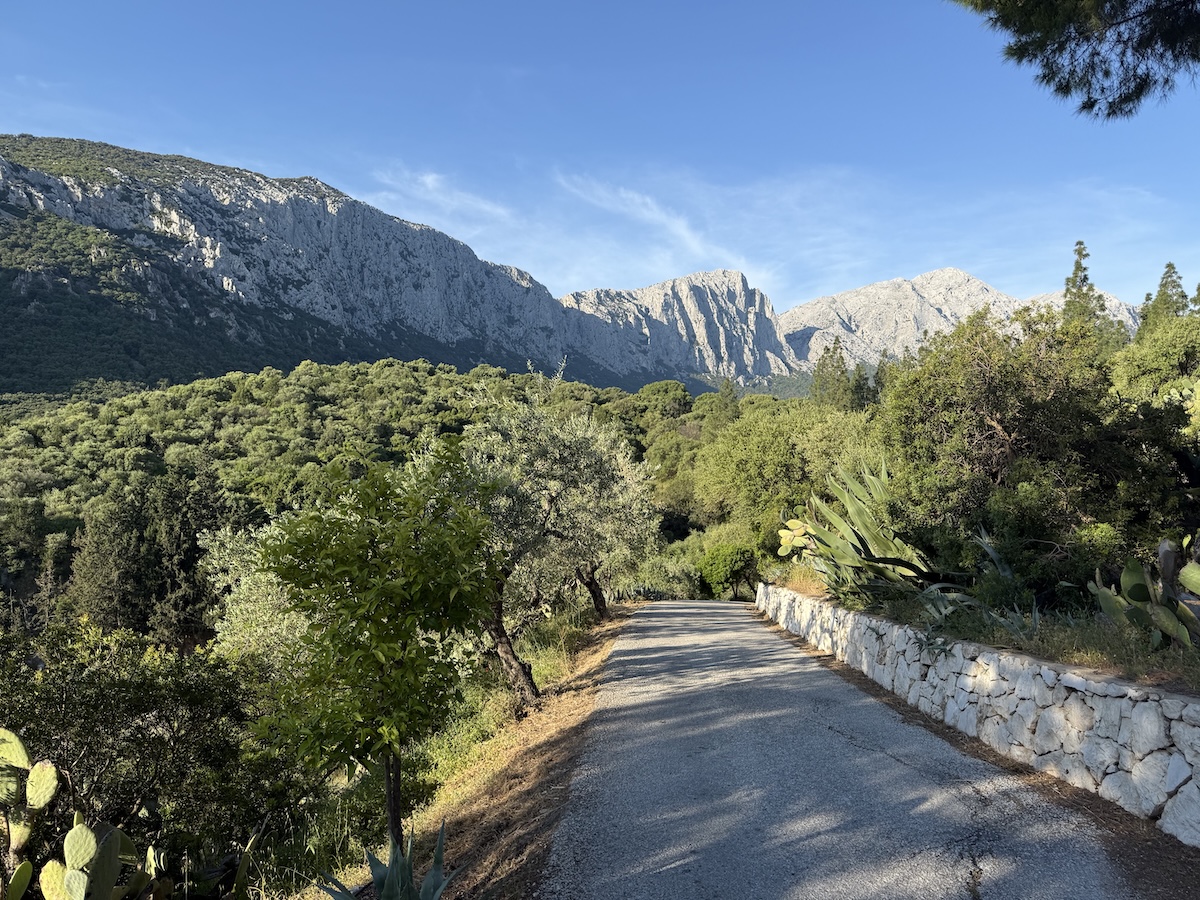
The journey that never ends
Coming home after a journey also has its rituals. You realise that the journey is now really over.
End this day, in your own bed, by thinking about which three things made the biggest impression.
It could be that walk that you end up soaking wet after 6 hours in the rain in a B&B where you were very warmly welcomed. Or the inspiring conversation with a “couchsurfer” from Ireland who travels the world. Or the walk through the forest where you feel at one with nature along streams, sunbeams and birdsong. Here too, gratitude is the word that comes back.
A final fact:
Gratitude stimulates the production of dopamine and serotonin; these are neurotransmitters that are responsible for the feeling of happiness.
This helps to get a more positive mindset. Leaders also benefit from this in their daily work. You may already apply this (unconsciously). Take a moment to think about it every now and then. It is valuable and gives meaning to your life.
Practice makes perfect here too. On to the next journey.
I wish you a “Bom Caminho”!