
Persuasion Tip: The Zeigarnik Effect
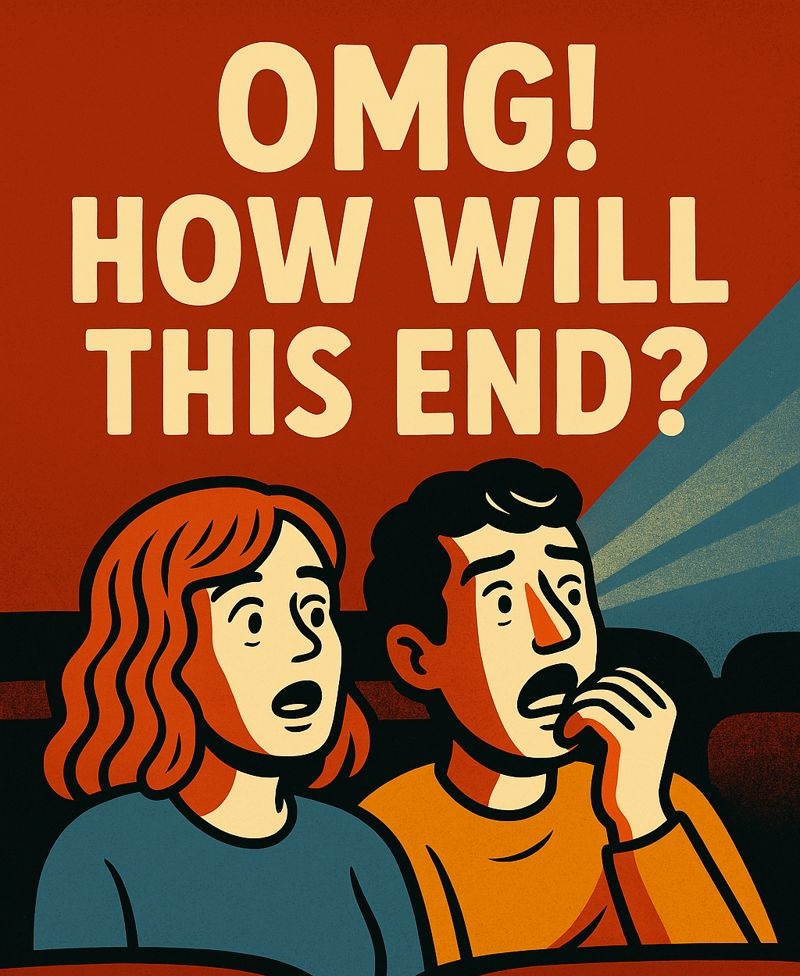
If you want to persuade someone, getting attention is only the first step. The real challenge is keeping it.
That’s why pitches and presentations need a tension arc. Something unfinished that pulls people forward, creating a curiosity gap that keeps attention alive until the end. Until the punchline. Until the insight. Until the call to action.
That arc can last…
- 30 seconds to the joke punchline
- 3 minutes to the product pitch Call to Action
- 30 minutes to the inspiring end of the presentation
The science: unfinished business and curiosity
The Zeigarnik effect, named after psychologist Bluma Zeigarnik, shows that people remember unfinished tasks better than completed ones. Our brains dislike loose ends. When something feels incomplete, it stays mentally open, creating a mild tension that keeps attention engaged.
This links directly to the curiosity gap, described by behavioral scientist George Loewenstein in his Information Gap Theory of Curiosity (1994). Loewenstein showed that curiosity arises when people sense a gap between what they know and what they want to know. That gap creates psychological discomfort, motivating us to seek closure.
Why it works in persuasion
Curiosity keeps us moving toward resolution. That’s why we keep binge-watching and keep reading. Good stories are hard to leave halfway through. By opening loops and deliberately delaying resolution, you create a curiosity gap that guides your audience through the full arc of your message.
How to use it
Instead of: “Today I want to explain three lessons about stakeholder management.”
Try: “Today I’ll share the three stakeholder lessons I learned the hard way… including the one that nearly sank an entire product launch.”
(You created an open loop. People will keep listening until you close it.)
Instead of: “Our new workflow reduces errors by 40%.”
Try: “We discovered one small workflow change that cut errors by 40%, but the surprising part is why it works.”
Readers stay with you because their brain now wants closure.
Other quick ways to trigger the effect
- Start with a question you promise to answer later
- Mention a problem before giving the solution
- Begin with a story but pause it at a moment of tension
- Say “We’ll come back to that” (and then actually do)
- Use headlines that create curiosity gaps.
(“The mistake almost everyone makes in negotiations…”)
Summary: keep loops open, then close them
The Zeigarnik Effect creates a gentle mental itch for completion. Use it to pull people in, guide their attention and keep them engaged until the moment of persuasion arrives.
Contact
Are you interested in Persuasion Tip: The Zeigarnik Effect? Please contact us.