

Saving the universe in a pink shirt

Somewhere in the 1980s, I was sitting on the floor in front of the television. Close enough to the screen to trigger at least three parental warnings today.
On that convex TV screen: an absurdly muscular blond guy wielding a ridiculously oversized sword.
Prince Adam raised the weapon above his head and spoke the magic words: “By the Power of Grayskull… I have the Power!”
A few seconds later, he was He-Man. The most powerful man in the universe.
More than 40 years later, he’s back
In the 2026 Masters of the Universe movie, Prince Adam returns to Eternia after fifteen years of absence. His home world has fallen into the hands of Skeletor. Adam must reunite with his old allies, face the villain and his minions, and discover who he truly is.
I’ve enjoyed the movie. It’s colorful and a bit campy. The main characters are likable. Adam’s pink shirt, the parody of HR jargon, the leadership blunders of He-Man and Skeletor – the film doesn’t take itself too seriously, even though there is a serious layer underneath.
Is it a new story? Not exactly. And that’s what makes it interesting.
We’ve been telling the same story for thousands of years
Strip away the flying vehicles, magic weapons, flexing muscles, CGI skull face and toys to sell to kids. What remains is a story we’ve known for a very long time.
Someone is living their life. Then something happens that disrupts their familiar world. The reluctant hero receives an urgent call to set out on a journey. Meets allies and enemies. Faces setbacks and doubts. Falls and gets back up. Grows. Fights. Gains something of value. And eventually returns, changed forever.
Joseph Campbell described this pattern as The Hero’s Journey. You’ll find variations of it in ancient mythology, but also in Star Wars, The Matrix, Harry Potter, The Lord of the Rings – and, of course, Masters of the Universe.
Why on earth do we keep watching these stories?
Because our brains love stories. And because a good story does something a PowerPoint slide full of bullet points rarely manages to do: it makes us experience, empathize and feel more alive.
And then we went to the office…
Where a completely different law of nature often seems to be at work. The moment we walk into a meeting room, the heroes, surprises and emotions mysteriously disappear from our communication.
Instead, we say things like:
“In Q3, we achieved three key milestones within workstream 2, with the main KPIs largely in line with the targets defined.”
Factually, there’s not much wrong with that. But try repeating it tomorrow. Or getting excited about it.
Which is strange. Because organizations are absolutely brimming with stories.
A customer who almost walked away. A project that was about to derail. An employee who spotted something everyone else had missed. A prototype that finally worked after 39 failed attempts. A CEO who made a completely counterintuitive decision. And… And…
This is pure gold: moments that humanize strategies, policies, transformation, innovations and ideas.
You don’t have to pull a story out of your sleeve every time
Storytelling doesn’t mean you have to start every quarterly presentation with: “Once upon a time…”. Nor do you need to turn every update into a Netflix series.
A story isn’t your entire communication. It supports and enriches your message.
A story can make an abstract idea concrete. Make change tangible. Give sense to a vision. Open a presentation. Illustrate a complex topic. Or make sure that one important point sticks long after the other 47 slides have been forgotten.
Sometimes you need ten minutes. Sometimes less than a minute. And sometimes just one sentence.
Where is your Skeletor?
As a professional, leader or entrepreneur, you’re inclined to communicate the solution as quickly as possible. May we present… The plan. The product. The strategy. The change program. The innovation. The numbers.
But stories aren’t just about the solution. They start with something that rubs. Something that’s off.
Luke Skywalker is pretty bored on Tatooine.
Frodo gets a ring he would rather not have received.
Neo starts noticing glitches in his world.
And Prince Adam has, among other things, Skeletor issues.
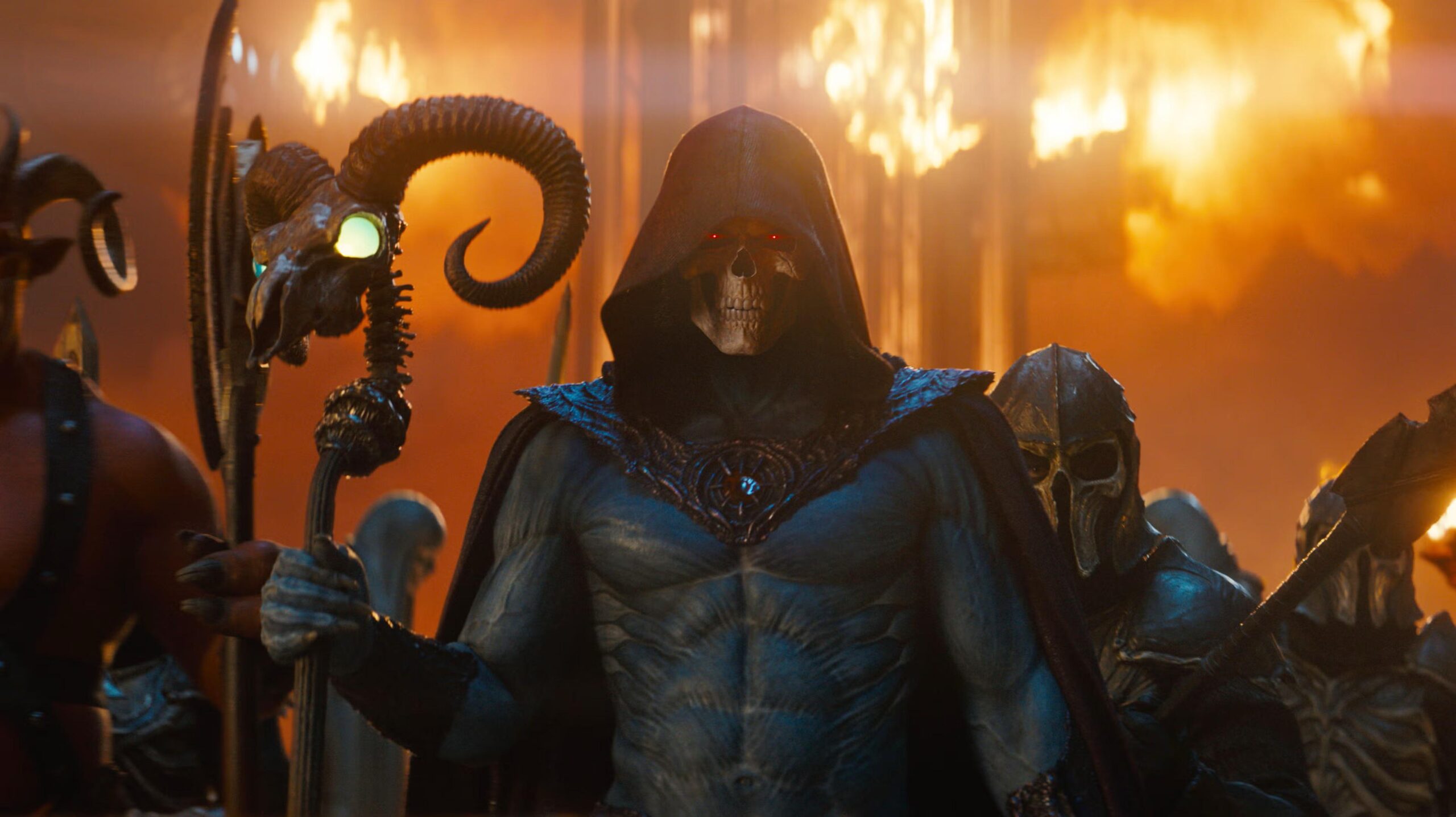
No problem, no tension. No tension, no story. And without a story, your message has to rely mainly on bullet points, graphs and the hope that everyone has a little attention left to spare while their smartphone beckons. And hope is not a strategy, a wise person once said.
So, when you prepare your next presentation, ask yourself:
What is really at stake here? Who wants to achieve what? What is standing in our way? What happens if we do nothing? What does the world look like if we succeed? What adventure are we embarking on? And who are the heroes?
Suddenly, you’re no longer just transferring information. You’re taking people somewhere. And suddenly, we can all FEEL it.
I have the power!
Here’s the good news: storytelling isn’t some magical gift that a lucky few are born with. It’s a skill.
You can learn how to build tension. How to pace information. How to create characters. How to turn an abstract point into a concrete image. How to use anecdotes. How to work with metaphors. How to make an audience curious about the next sentence or the next slide. And how to discover, among all those facts and figures, the story that’s worth telling.
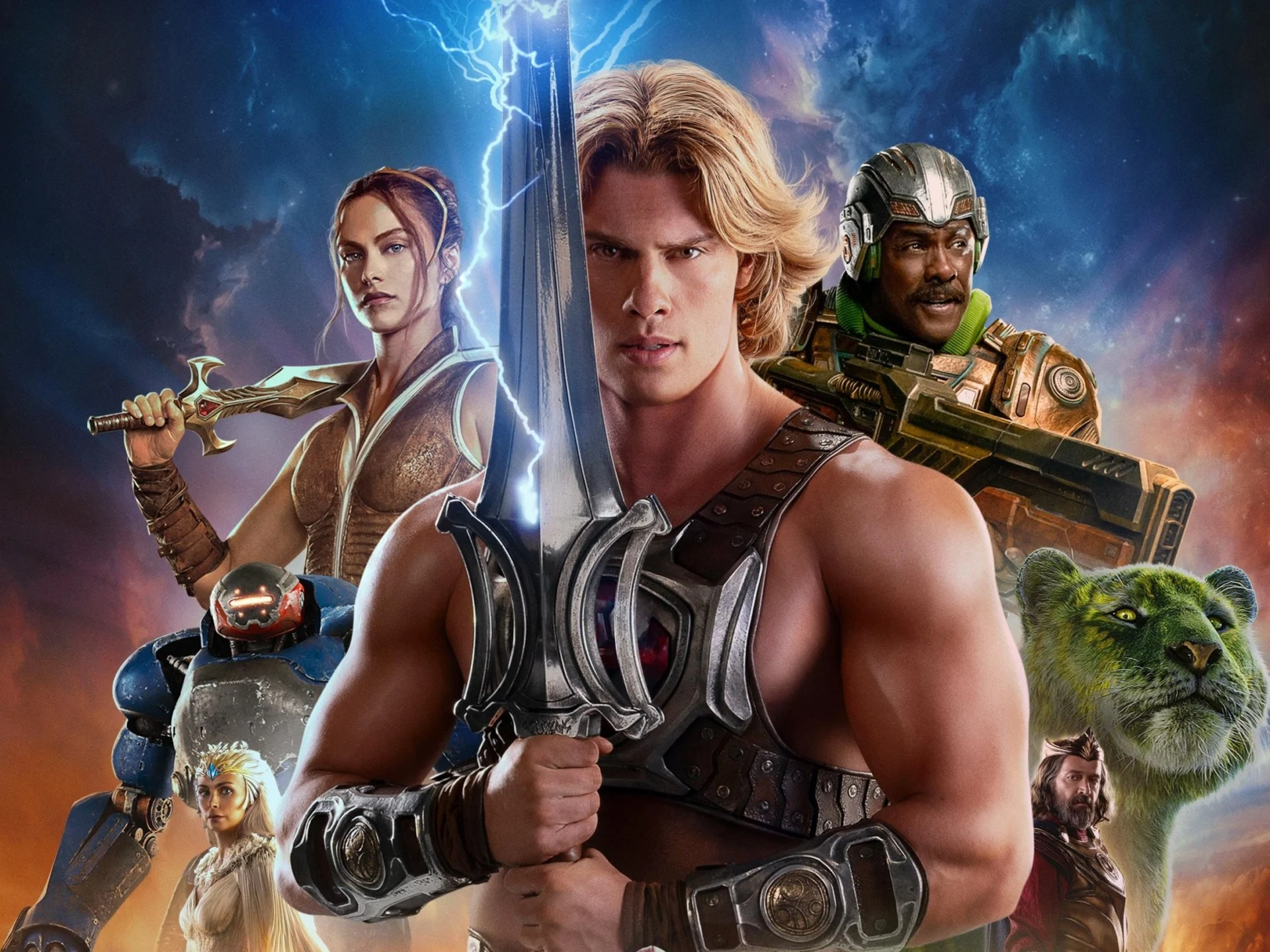
You don’t need to raise a magic sword above your head to do that.
But you do need to practice, fall flat on your face and try again.
So, the next time you’re standing in front of a group with a presentation of proposal, take one last look at your slides. Everything covered? Great. Then ask yourself: What’s the story that makes people care?
The Masters of the Universe knew it all along:
You have the Power. You just have to learn how to use it.
Welcome to the #NoblahblahZone!