

“What is it you plan to do with your one wild and precious life?” - Mary Oliver

“Choose a job you love, and you’ll never work a day in your life” Confucius
Hard work is part of life. But there’s a big difference between a soul-draining job that drags you down. Or the heart-lifting energy of work that plays to your strengths and skills and connects with your deeper purpose.
And the best part? When you’re doing work that truly matters to you, it doesn’t feel like just a job – it feels meaningful. That’s when you start to thrive. That’s when you start naturally gaining people’s trust, inspiring them and motivating them to join you.
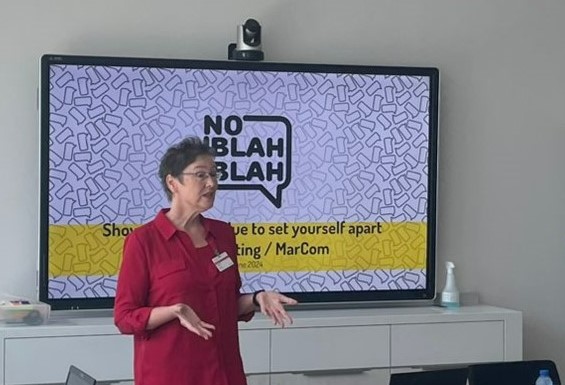
You don’t have to be Mother Theresa to make work fulfilling
You might be cynical about the idea of “finding your purpose” at work. Your day is packed with deadlines, meetings and to-do lists. The idea of pursuing something deeper might seem like an unrealistic luxury.
However, your purpose doesn’t have to be grand or life-changing to make a difference. It can be found in small moments—mentoring a colleague, solving a problem that improves someone’s day or contributing to a project that feels meaningful. Rather than dismissing purpose as a distant, unattainable ideal, you can find it in your everyday work.
Finding purpose is less about high lofty goals and more about connection—how your work links to something that matters to you, whether it’s personal growth, helping others, or contributing to a larger cause. In the end, a sense of purpose can shift the way you view and experience your work, even in an environment where cynicism might be the norm.
The great news is your purpose can make you happier and more successful. People who work from a sense of purpose feel more engaged, passionate and motivated. And that makes you more successful in terms of promotions, salary, opportunities and in your ability to influence others.
Why purpose matters now
Purpose has always had an impact on people and companies, but it’s even more important now.
- Researchers at Deloitte found that roughly 9 in 10 Gen Zs (86%) and millennials (89%) say havinga sense of purpose in their work is very or somewhat important to their overall job satisfaction and well-being.
- Deloitte showed that purpose-driven companies witness higher market share gains and grow three times faster on average than their competitors, all while achieving higher workforce and customer satisfaction.
- McKinsey research has found that when employees find their work to be meaningful, their performance improves by 33 percent, they are 75 percent more committed to their organization, and are 49 percent less likely to leave.
People’s brains are wired for purpose
Leadership expert Simon Sinek believes that communicating your purpose or ‘why’ is probably the most important message that an organization or individual can communicate. It enables you to connect with others on an emotional level. That’s because these messages correspond with our limbic brain, which is responsible for all of our feelings, like trust and loyalty. It creates a strong emotional connection because we want to be around people and organizations who are like us and share our beliefs.
How to uncover your purpose
Finding your purpose is a deeply individual journey. Here are some ways to uncover yours:
- Identify your intrinsic motivation
In this Forbes article, Laura Garnett says that rather than focusing on extrinsic motivation, like money or fantastic benefits, you should identify your intrinsic motivation. It’s often a core emotional challenge you may have struggled with while growing up. For example, if you felt ignored or unappreciated as a child, your purpose might be to help others feel seen and valued. - Reflect on your passions and interests
Take time to explore what genuinely excites and motivates you. Reflect on your past experiences, both personal and professional, to identify common themes and activities that bring you joy and fulfillment. - Identify your strengths and talents
Consider the skills and abilities that come naturally to you. These strengths can often point towards areas where you can make the most significant impact. For instance, you might have a radar for identifying new opportunities. Leveraging this innate talent allows you to stand out doing something you love. - Do some self exploration
Ask yourself, what makes you lose track of time? What makes you light up? At work, start to notice which activities you dread doing and which activities you do effortlessly. Over time, you’ll see which activities give you energy and those that don’t. - Meet new people and create a community that inspires you
Start following people online or join a group of like-minded people who also aim to find their purpose. They will subtly challenge you to grow as a person.
Your purpose gives you incredible power over your life and your work
When you communicate from a place of conviction it gives you power to increase your visibility, influence and impact. Here’s how you can leverage your purpose in your work interactions:
- Share your purpose during introductions.
You might say, “I’m passionate about helping my colleagues grow. As a project manager, I ensure that in every project I provide constructive feedback that helps others excel in their role.” - Connect your work with the larger purpose.
During team meetings, instead of listing completed tasks, explain how your work contributes to the larger organizational mission. For instance, a marketing employee might say, “By optimizing our social media strategy, I’m helping the company reach more customers who truly benefit from our product, supporting our mission of improving everyday lives.” - Live your values.
If your personal purpose is about fostering inclusivity, you can actively promote collaboration by ensuring that every voice is heard in meetings or mentoring colleagues from diverse backgrounds. - Link your way of working to your purpose.
When faced with a conflict you might say, “I believe in finding solutions that empower everyone, so in this situation, I’m looking for ways that can both meet our targets and make our team stronger.” - Share your purpose in performance reviews.
You could say, “My purpose is to create meaningful client experiences, and in the last quarter, I focused on improving client feedback systems to ensure their voices are heard and acted on.”
What is it you plan to do with your one wild and precious life?
Welcome to the Noblahblah Zone!